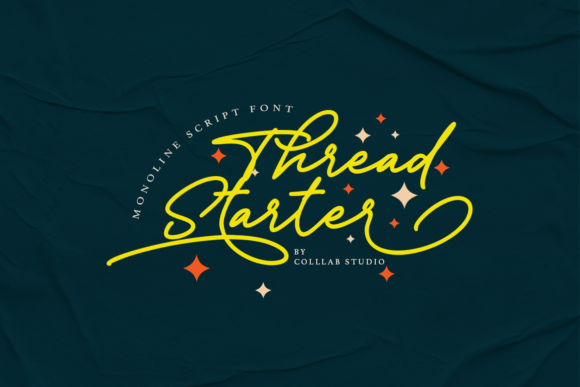
Thread Starter: A Handwritten Typeface for Editorial Design
In the world of digital publishing and editorial design, the choice of typography is never merely decorative; it is foundational. It dictates the mood of your content, guides the reader’s eye, and establishes the brand identity before a single word is read. For creators who value authenticity and a personal touch, Thread Starter stands out as an exceptional handwritten font that bridges the gap between casual warmth and professional polish. As a versatile script typeface within the Script Amp collection, it offers publishers, bloggers, and designers a unique tool to enhance visual hierarchy and reader engagement across diverse media.
The Visual Personality of Thread Starter
Thread Starter is not just another cursive font; it is a carefully crafted display font that mimics the natural flow of hand-lettering without sacrificing legibility. Its character lies in its organic strokes and varied line weights, which give it a dynamic, human presence. Unlike rigid geometric sans serif fonts or overly ornate vintage scripts, Thread Starter strikes a balance that makes it suitable for modern editorial contexts. The PUA (Private Use Area) encoding adds a layer of technical flexibility, allowing for precise integration into complex layout systems where standard character mapping might fall short.
This font exudes a sense of approachability and creativity. It feels like a note written by a trusted friend rather than a corporate memo. This personality makes it particularly effective for brands that want to communicate trust, intimacy, and expertise simultaneously. Whether you are designing a lifestyle blog, a coaching workbook, or a premium ebook, Thread Starter brings a distinct visual tone that can elevate simple text into compelling graphic elements.
Elevating Blog Headers and Magazine Covers
One of the most immediate applications for Thread Starter is in headline design. In an era where attention spans are short, the typography on your blog header or magazine cover must grab interest instantly. Using Thread Starter for main titles allows you to create a strong visual anchor. The handwritten style breaks the monotony of blocky body text, drawing the eye downward into the article.
Consider a digital magazine focused on wellness or creative living. A cover featuring Thread Starter for the main title, paired with a clean, minimal sans serif font for the subtitle, creates a sophisticated yet inviting look. The contrast between the flowing script and the structured sans serif establishes a clear visual hierarchy. This pairing ensures that while the title captures attention with its artistic flair, the supporting information remains easily scannable. For newsletter writers, using this font for the subject line preview or the header image can significantly increase open rates and click-throughs by signaling a personalized, curated experience.
Ideal Applications in Ebooks and Printable Guides
For ebook creators and course developers, typography plays a crucial role in user experience. Thread Starter is exceptionally well-suited for chapter openers, section dividers, and pull quotes. Because it is a display font, it should generally be reserved for shorter texts rather than long paragraphs. However, when used strategically, it can transform dry instructional content into an engaging narrative.
- Chapter Titles: Use Thread Starter to introduce new sections in a guide or workbook. The handwritten style signals a shift in topic while maintaining a cohesive aesthetic.
- Pull Quotes: Highlight key takeaways or inspirational statements using Thread Starter. This draws the reader’s attention to the core message and encourages skimming.
- Cover Text: For lead magnets, worksheets, or downloadable PDFs, the font adds a premium feel that suggests high-value content.
When designing printable planners or wedding guides, the versatility of Thread Starter shines. It pairs beautifully with minimalist layouts, adding a touch of elegance without overwhelming the functional elements of the page. For instance, a wedding planning checklist can use a clean sans serif font for the tasks and Thread Starter for the couple’s names or section headers, creating a romantic and organized feel.
Readability and Technical Considerations
While Thread Starter is visually striking, practical considerations must guide its usage. As a script font, readability can decrease if the text becomes too dense or the size too small. Therefore, it is best employed for headlines, subheads, and accent typography rather than body copy. For extended reading, such as the main text of an article or a book, a highly readable serif font or a neutral sans serif font is recommended to reduce cognitive load.
When exporting designs for screen reading, mobile layouts, or PDF downloads, ensure that the resolution is high enough to preserve the fine details of the handwritten strokes. Blurry text can undermine the professional quality of your publication. Additionally, check the included styles, alternates, and ligatures. These features allow for customization, enabling you to adjust the spacing and flow of letters to fit specific design constraints without compromising the font’s integrity.
Font Pairing Strategies for Editorial Consistency
To maximize the impact of Thread Starter, thoughtful font pairing is essential. The goal is to create contrast that enhances readability while maintaining brand consistency. A classic and effective combination is pairing Thread Starter with a traditional serif font for body text. The serifs provide stability and structure, grounding the whimsical nature of the script. This combination works well for literary blogs, historical publications, or academic guides that wish to appear authoritative yet accessible.
Alternatively, pairing Thread Starter with a modern sans serif font creates a contemporary, fresh look. This is ideal for tech startups, creative agencies, or modern lifestyle brands. The sans serif font can be used for navigation menus, captions, and UI elements, providing a clean backdrop that allows the script to stand out as a focal point. By limiting the use of Thread Starter to specific areas, you prevent visual clutter and ensure that your publication remains easy to navigate.
Licensing and Commercial Use
For publishers and independent creators, understanding licensing is critical. Thread Starter is available as a commercial font, which means it can be used in products that generate revenue, such as paid newsletters, ebooks, templates, and client publications. Always review the specific license agreement to ensure compliance, especially when distributing digital downloads or print materials at scale. Proper licensing protects your work and supports the designers who create these valuable assets.
By integrating Thread Starter into your design workflow, you add a layer of personality and professionalism to your content. Whether you are crafting a social media graphic, designing a book cover, or laying out a newsletter, this handwritten font offers the perfect blend of artistry and utility. It invites readers in, sets the tone, and helps your brand identity resonate more deeply with your audience.